


Choosing the Perfect Scuba Gear for You
Diving into the world of scuba is thrilling, but picking the right gear? That can feel like a whole other adventure. Trust me, I’ve been there—standing in front of rows of shiny equipment, wondering what I really need. Whether you’re just starting out or upgrading your kit, choosing scuba gear that fits your style, comfort, and budget is key to enjoying every dive. So, let’s chat about how to find your perfect match beneath the waves.
Why Choosing Scuba Gear Matters More Than You Think
You might think, “Isn’t all scuba gear basically the same?” Nope! The right gear can make or break your dive experience. Imagine struggling with a wetsuit that’s too tight or a mask that fogs up every two minutes. Not fun, right? Good gear boosts your confidence, safety, and comfort underwater.
Here’s the deal: scuba gear isn’t just about looking cool (though that’s a bonus). It’s about functionality. Your equipment needs to suit the water temperature, your diving style, and even your body shape. Plus, investing in quality gear means fewer headaches and more fun on every dive.
Tips for Choosing Scuba Gear That Fits You Perfectly
Alright, let’s get down to business. When you’re picking out your scuba gear, think about these essentials:
1. Wetsuit or Drysuit? Know Your Water
If you’re diving in warm waters, a wetsuit is your best friend. It traps a thin layer of water between your skin and the suit, which your body heats up. For colder dives, a drysuit keeps you completely dry and insulated.
Pro tip: Try on different thicknesses and styles. A 3mm wetsuit might be perfect for Florida’s waters, but if you’re heading somewhere chillier, bump it up to 5mm or more.
2. Mask and Snorkel: Your Underwater Eyes and Breather
A mask that fits snugly without pinching is a must. Look for silicone skirts—they’re softer and seal better than rubber. And don’t forget to test the mask’s fit by placing it on your face without the strap and inhaling slightly through your nose. If it stays put, you’re golden.
For snorkels, pick one with a purge valve to clear water easily. Comfort is king here since you’ll be breathing through it for a while.
3. Fins: Glide Like a Fish
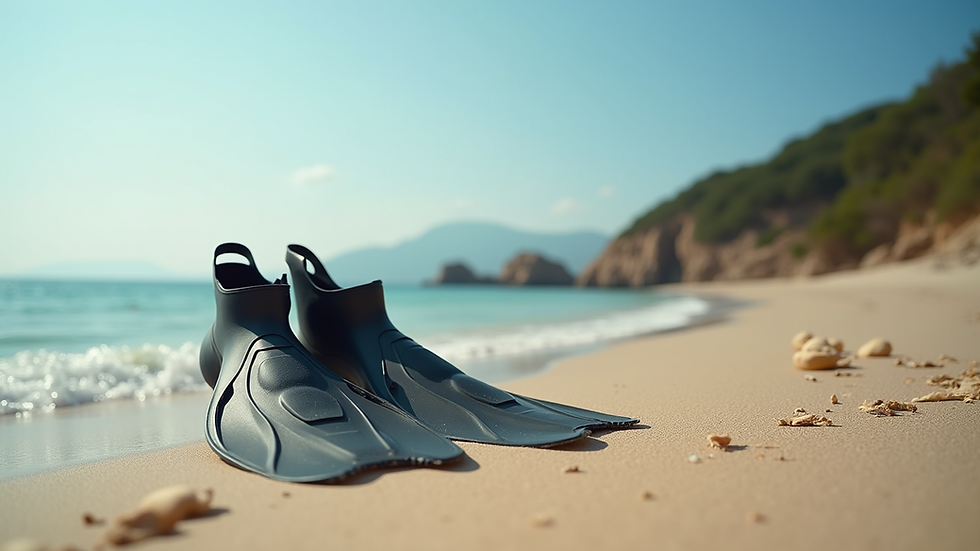
Fins come in all shapes and sizes. Full-foot fins are great for warm water and casual diving, while open-heel fins with boots are better for colder water and rougher terrain. Try a few on and see what feels natural. You want fins that give you power without tiring your legs.
4. Buoyancy Control Device (BCD): Your Underwater Jacket
Your BCD helps you float, hover, and descend smoothly. Look for adjustable straps and pockets for accessories. Comfort and ease of use are crucial here. If you’re new, renting might be a good start before investing.
5. Regulators: Your Lifeline
This is the gear that delivers air from your tank. It needs to be reliable and easy to breathe through. Most divers stick with trusted brands and get their regulators serviced regularly.
How to Test and Try Your Scuba Gear Before Buying
Buying scuba gear isn’t like grabbing a pair of shoes online. You want to feel it, try it on, and maybe even test it in water. Here’s how I recommend doing it:
Visit a local dive shop: Places like Suncoast Dive Center in Pinellas are perfect. They let you try on gear, ask questions, and get expert advice.
Rent before you buy: Especially for big-ticket items like BCDs and regulators, renting helps you figure out what suits you best.
Check for comfort and fit: Move around, squat, and stretch in your gear. If it feels restrictive or uncomfortable, keep looking.
Inspect for quality: Look for sturdy materials, solid stitching, and smooth zippers or buckles.
Remember, your gear should feel like a second skin, not a bulky costume.
Caring for Your Scuba Gear: Keep It Ready for Your Next Dive
Once you’ve got your perfect setup, taking care of it is the next step. Proper maintenance extends the life of your gear and keeps you safe.
Rinse everything with fresh water after every dive to remove salt and sand.
Hang your wetsuit inside out to dry in the shade—sunlight can damage the neoprene.
Store your gear in a cool, dry place away from direct sunlight.
Have your regulator serviced annually by a professional.
Check your BCD for leaks and inflate it occasionally to keep the bladder in good shape.
A little TLC goes a long way in keeping your gear dive-ready.

Ready to Dive In? Your Next Steps to Gear Up
Choosing scuba gear is a personal journey. What works for me might not be your perfect fit, and that’s okay! The key is to prioritize comfort, safety, and your diving environment. If you’re in the Pinellas area, swing by Suncoast Dive Center. They’re all about helping you find the best gear with great value and service.
And hey, if you want to explore more about scuba equipment, they’ve got you covered with everything from masks to fins and beyond.
So, what are you waiting for? Dive into your gear search with confidence, and get ready to explore the underwater world like never before!


Comments